
+86 18116360585
- English
- Chinese
- French
- German
- Portuguese
- Spanish
- Russian
- Japanese
- Korean
- Arabic
- Irish
- Greek
- Turkish
- Italian
- Danish
- Romanian
- Indonesian
- Czech
- Afrikaans
- Swedish
- Polish
- Basque
- Catalan
- Esperanto
- Hindi
- Lao
- Albanian
- Amharic
- Armenian
- Azerbaijani
- Belarusian
- Bengali
- Bosnian
- Bulgarian
- Cebuano
- Chichewa
- Corsican
- Croatian
- Dutch
- Estonian
- Filipino
- Finnish
- Frisian
- Galician
- Georgian
- Gujarati
- Haitian
- Hausa
- Hawaiian
- Hebrew
- Hmong
- Hungarian
- Icelandic
- Igbo
- Javanese
- Kannada
- Kazakh
- Khmer
- Kyrgyz
- Latin
- Latvian
- Lithuanian
- Luxembou..
- Macedonian
- Malagasy
- Malay
- Malayalam
- Maltese
- Maori
- Marathi
- Mongolian
- Burmese
- Nepali
- Norwegian
- Pashto
- Persian
- Punjabi
- Serbian
- Sesotho
- Sinhala
- Slovak
- Slovenian
- Somali
- Samoan
- Scots Gaelic
- Shona
- Sindhi
- Sundanese
- Swahili
- Tajik
- Tamil
- Telugu
- Thai
- Ukrainian
- Urdu
- Uzbek
- Vietnamese
- Welsh
- Xhosa
- Yiddish
- Yoruba
- Zulu
- Kinyarwanda
- Tatar
- Oriya
- Turkmen
- Uyghur


Rêbernameya Dawî ya Pirjimarkerên Torkê: Meriv Çawa Serbilindkirina Giran-Duty Bolting
Gava ku hûn li ser makînên giran rû bi pêlekek pîşesazî ya ziravkirî an gûzek mezin a li ser makîneyên giran re rû bi rû ne, kulmek standard bi gelemperî li sînorê xweya laşî dikeve. Hûn dikarin barek xapînokek mezin bikar bînin, lê ew xeternak û nerast e.
This is where the Torque Multiplier becomes your best friend. In this guide, we’ll break down how this mechanical marvel works and why it’s a safer, more efficient alternative for high-torque applications.

What is a Torque Multiplier?
A torque multiplier is a geared device used to increase the torque applied by an operator. By using a planetary gear system, it allows you to output a high amount of torque while using a relatively small input force.
For example, with a 5:1 ratio multiplier, applying 100 ft-lb of pressure at the handle results in 500 ft-lb of output at the nut (minus a small percentage for gear friction).
How Does a Torque Multiplier Work? (The Science)
At the heart of every torque multiplier is a planetary gear set. This consists of a sun gear, planet gears, and an internal ring gear.
-
Input: You turn the input drive with a standard torque wrench.
-
Multiplication: The gears rotate, trading speed for power.
-
Reaction: The reaction arm braces against a stationary object to counteract the force, ensuring the torque goes into the bolt, not the operator.
Key Benefits: Why Not Just Use a Long Bar?
While a "cheater bar" (extending the handle of a wrench) is a common DIY fix, it’s often a safety hazard. Here’s why a multiplier is superior:
-
Safety First: No more jumping on long bars or risking a "snap-back" injury.
-
Precision: When paired with a calibrated torque wrench, you can achieve exact specifications that a long bar can't measure.
-
Space-Saving: Multipliers are compact. They fit into tight engine bays or industrial pipe flanges where a 6-foot bar cannot.
-
No Power Needed: Unlike hydraulic or pneumatic tools, a manual torque multiplier works anywhere—no hoses, no batteries, no noise.
Choosing the Right Multiplier: The "Ratio" Factor
Not all multipliers are created equal. You need to consider two main specs:
-
The Torque Ratio: Common ratios are 3:1, 5:1, or even 25:1. Always account for frictional loss (usually 5-10%). If you need 1000 Nm and have a 4:1 tool, don't expect exactly 250 Nm input; aim for slightly higher.
-
Max Output Capacity: Never exceed the rated capacity of the tool, or you risk shattering the internal gears.
Pro Tips for Safe Operation
-
Steady the Reaction Arm: Ensure the reaction arm is securely braced against a solid surface. This is the most common point of failure for beginners.
-
Don't Use Impact Wrenches: Never use an air impact wrench on the input side of a manual multiplier. The "hammering" action will destroy the planetary gears instantly.
-
Maintenance: Keep the gears lubricated and check for metal shavings periodically.
Conclusion: Is a Torque Multiplier Worth It?
If you work on heavy equipment, trucks, or industrial piping, a torque multiplier isn't just a luxury—it’s a safety requirement. It turns a two-person, high-risk job into a one-person, precision task.
Looking for a reliable tool to handle your toughest bolts? [Link: Browse our Professional Torque Multiplier Series].
Nûçeyên berê
A Beginner’s Guide to Torque Wrenches: Pr...Next News
Maximizing Industrial Efficiency with Interchan...Hilbera Taybetmendiyê
-
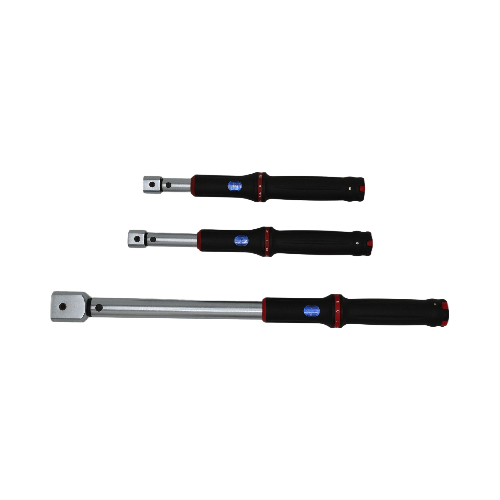 Cli...
TENGTUO ELECTRONIC TECHNOLOGY Item NO...
-
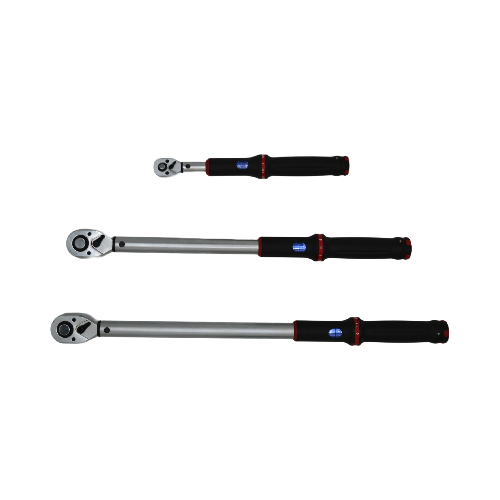 XS Series Window Style Click Torque Wrench
TENGTUO ELECTRONIC TECHNOLOGY Item NO...
-
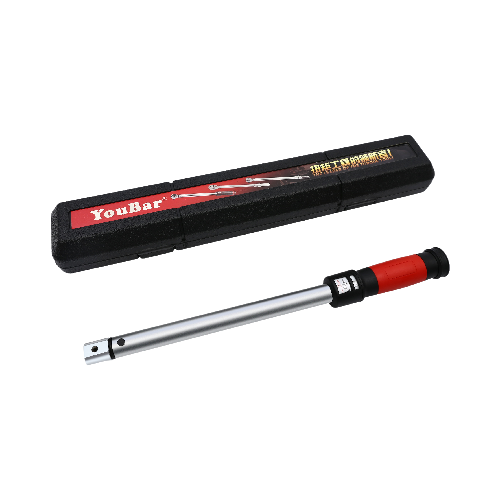 SL Series Style Paceya Serê Veguhezbar Cli...
TENGTUO ELECTRONIC TECHNOLOGY item NO...