
+86 18116360585
- English
- Chinese
- French
- German
- Portuguese
- Spanish
- Russian
- Japanese
- Korean
- Arabic
- Irish
- Greek
- Turkish
- Italian
- Danish
- Romanian
- Indonesian
- Czech
- Afrikaans
- Swedish
- Polish
- Catalan
- Esperanto
- Hindi
- Lao
- Albanian
- Amharic
- Armenian
- Azerbaijani
- Belarusian
- Bengali
- Bosnian
- Bulgarian
- Cebuano
- Chichewa
- Corsican
- Croatian
- Dutch
- Estonian
- Filipino
- Finnish
- Frisian
- Galician
- Georgian
- Gujarati
- Haitian
- Hausa
- Hawaiian
- Hebrew
- Hmong
- Hungarian
- Icelandic
- Igbo
- Javanese
- Kannada
- Kazakh
- Khmer
- Kurdish
- Kyrgyz
- Latin
- Latvian
- Lithuanian
- Luxembou..
- Macedonian
- Malagasy
- Malay
- Malayalam
- Maltese
- Maori
- Marathi
- Mongolian
- Burmese
- Nepali
- Norwegian
- Pashto
- Persian
- Punjabi
- Serbian
- Sesotho
- Sinhala
- Slovak
- Slovenian
- Somali
- Samoan
- Scots Gaelic
- Shona
- Sindhi
- Sundanese
- Swahili
- Tajik
- Tamil
- Telugu
- Thai
- Ukrainian
- Urdu
- Uzbek
- Vietnamese
- Welsh
- Xhosa
- Yiddish
- Yoruba
- Zulu
- Kinyarwanda
- Tatar
- Oriya
- Turkmen
- Uyghur


What Should Buyers Verify When Comparing Torque Wrench Suppliers for Interchangeable-Head Click Wrenches?
When comparing torque wrench suppliers for an interchangeable-head click wrench, buyers should not begin with unit price or maximum torque alone. The quotations first need to describe the same tightening setup: the required working torque, selected wrench body, interchangeable-head interface, insert type, fastener access, effective tool length, accuracy evidence, calibration or inspection documents, included accessories, quantity and packing scope. If one supplier quotes only the wrench body while another includes the working insert and document package, the prices are not comparable. The practical goal is to normalize the complete tool configuration before deciding which supplier is commercially competitive.
Start With the Tightening Application, Not the Wrench Model
A mechanical click torque wrench is part of a tightening process, so the first RFQ input should describe the joint rather than name a model. Procurement should identify the fastener or nut size, normal working torque, available access around the joint, whether the tool is used for repetitive assembly or maintenance, and which head form is needed to reach the fastener.
This matters because two applications can require the same nominal torque but different tools. An open-end insert may be necessary where a closed ring cannot reach a hydraulic line connection. A ratchet insert may suit a conventional nut with enough swing clearance. A compact head may be needed where adjacent equipment limits movement. The torque value defines only one part of the configuration.
The buyer should therefore work through the connection in sequence: joint requirement, working torque, access condition, interchangeable-head type, and then wrench body. This prevents a common sourcing problem in which a supplier proposes a torque range that looks correct on paper but the selected head cannot physically reach or engage the fastener.
Youba groups these products within its Torque Wrench category, including mechanical, digital and other torque-tool options. For this procurement decision, the relevant product family is the mechanical interchangeable-head click wrench rather than a digital or fixed square-drive tool.
Match the Wrench Range to the Real Working Torque
Range selection should be based on the torque values that will actually be used, not simply on the highest number printed in a catalogue. A buyer preparing a production RFQ should state the normal target torque, minimum and maximum operating values, and whether one tool is expected to cover several joints.
The current XS Series product information lists multiple wrench bodies across different torque ranges. That makes range selection a model decision, not a single-series decision. A low-torque assembly and a high-torque maintenance task may both belong to the XS family but still require different wrench bodies and different interchangeable interfaces.
A useful supplier response should therefore identify the proposed model, working range and scale information rather than replying only with “XS Series available.” If two suppliers quote different model ranges, the buyer should understand why before comparing price. A wider range is not automatically better if the normal operating torque sits poorly within the intended use of that tool.
For multi-station projects, it may be more practical to define separate wrench ranges than to force one body to cover every joint. The RFQ should make that decision visible because it changes tool quantity, insert-head requirements and the commercial scope.
The Interchangeable-Head Interface Must Match the Selected Insert
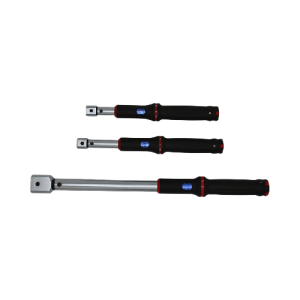
The defining procurement feature of the XS Series Interchangeable Head Window Style Click Torque Wrench is that the wrench body accepts interchangeable heads. Current product information identifies several interface formats, including 9×12, 14×18 and 24×32 mm options for different inserts. The interface therefore needs to be specified as carefully as the torque range.
The connection path should be treated as a chain: wrench body interface → interchangeable insert → final fastener interface. If any part of that chain is undefined, the quotation is incomplete.
For example, an RFQ may state the required torque and fastener opening size but omit the insert interface. Supplier A may quote a 9×12 wrench body and separate head; Supplier B may assume another interface or quote only the body. Both offers appear to answer the same inquiry, but their components are not interchangeable and the accessory cost can differ.
The buyer should specify the required insert type, opening or drive size, interface size and quantity. If the customer already owns an insert library, provide the existing interface dimensions so the supplier can confirm compatibility rather than forcing a second ecosystem into the maintenance department.
Specify the Working Head Separately From the Wrench Body
Interchangeable-head procurement becomes clearer when the RFQ separates the wrench body from the working insert. The wrench body controls the torque range, scale, adjustment mechanism and interface. The insert controls how the tool reaches and engages the fastener.
Depending on the application, the required head may be open-end, box-end, ratchet, crowfoot or another application-specific geometry. The buyer should not assume that “interchangeable head included” defines the correct working configuration. The exact head type, opening or drive, interface and quantity should appear in the quotation.
This separation also improves spare-parts planning. A project may need five wrench bodies but ten identical open-end heads, or one wrench body with several inserts for different fastener sizes. If the RFQ lists only “5 torque wrenches,” suppliers may package fundamentally different accessory sets.
A complete quotation should show the body and insert as separate line items or at least state the included head clearly. Optional inserts should be identified as optional, not silently bundled into the headline price.
Head Geometry Can Change the Effective Torque Relationship
Interchangeable inserts change more than access. If the insert moves the fastener center farther from or closer to the effective loading point of the calibrated wrench, the effective lever length changes. That can alter the relationship between the wrench setting and the torque applied at the fastener.
This is a recognized torque-tool issue, not a reason to apply a generic correction formula without checking the actual geometry. The correct adjustment depends on the wrench reference length, the insert geometry and how the insert is oriented. Buyers should therefore ask the supplier for the relevant dimensional drawing or setting guidance when an insert changes the effective length in line with the wrench.
This becomes especially important when a plant uses several head styles on one wrench body. An open-end insert and a ratchet insert may reach the same nut while placing the working center at different distances from the handle. If the tightening procedure assumes the same wrench setting for both without verification, the process may no longer represent the intended joint torque.
The RFQ should identify the insert geometry used in the approved tightening procedure. If the customer has a controlled torque procedure, the supplier should confirm whether the selected head affects the setting relationship and provide the information needed for the buyer to validate the procedure.
Access Clearance Can Decide Which Insert Is Actually Usable
Head compatibility is not proven by opening size alone. The tool must fit into the real working space and still allow the operator to position and actuate the wrench.
For maintenance and assembly applications, the buyer should consider side clearance, overhead clearance, swing angle, nearby pipes or housings, and whether a socket, extension or adapter adds length. A head that fits the fastener can still be unusable if the wrench body collides with adjacent equipment before the click mechanism can be operated normally.
Where access is constrained, a simple photo, section drawing or clearance dimension is often more valuable than a long written description. It gives the supplier enough context to recommend a head geometry without guessing at the assembly.
This is also where interchangeable heads can create real procurement value: the buyer can keep the required torque range while changing the working geometry. But that flexibility only helps when head type, interface and effective length are all controlled in the RFQ.
Accuracy Claims Need Product-Specific Evidence
A supplier comparison should not stop at one accuracy percentage in a catalogue. Buyers need to know which model the claim applies to, over what range it is stated, in which operating direction, and what inspection or calibration evidence is supplied with the ordered tool.
For hand torque tools, ISO 6789-2 is one recognized standard covering calibration methods and measurement uncertainty. A buyer does not need to require that standard for every project, but if a specific calibration method, certificate format or traceability requirement is important, it should be written into the RFQ rather than assumed.
The evidence itself should be checked for scope. A useful certificate or inspection record should identify the relevant tool or model, the tested torque points or range, the result basis and the document date. A generic company quality certificate does not prove the calibration condition of the specific wrench being purchased.
Where supplier quotations use different document scopes, normalize them before comparing cost. A wrench quoted with a defined calibration document is commercially different from a wrench quoted without one, even if the mechanical model appears similar.
Normalize the Quotation Scope Before Comparing Price
The supplier comparison becomes meaningful only after the commercial scope is aligned. The table below shows the fields that should be normalized for an interchangeable-head mechanical torque wrench.
| Quotation Area | What the Buyer Should Align | Why It Changes the Comparison |
| Wrench body | XS model or equivalent configuration, working torque range and scale | Different bodies may cover different applications and cost structures. |
| Head interface | Required interchangeable interface size | Determines which inserts can be used with the body. |
| Working insert | Open-end, box-end, ratchet or other head; opening/drive size; quantity | A body-only quote is not equivalent to a complete working tool. |
| Effective-length information | Drawing or setting guidance where the insert changes working length | Supports correct torque-setting procedure for the selected head. |
| Accuracy evidence | Stated accuracy scope, inspection or calibration documentation | Different evidence packages can change acceptance and cost. |
| Accessories | Case, inserts, adapters or other included items | Prevents hidden differences in delivered scope. |
| OEM / packing | Branding, label, case and export-packing requirements | Changes production and packaging work. |
| Deviations | Any difference from the requested body, head, interface or documents | Prevents a lower price from masking a different configuration. |
Once these fields are aligned, price can be compared against the same tool package. Before that point, a lower quotation may simply represent fewer inserts, a different model range, weaker documentation or a body-only supply.
What Evidence Should a Torque Wrench Supplier Return?
A useful supplier response should prove the offered configuration rather than repeat marketing statements. For the XS interchangeable-head click wrench, buyers should request a compact package that includes the selected wrench model, torque range, interface, insert-head configuration, relevant dimensions, document scope, packing scope and declared deviations.
A drawing should be used to verify the actual interface, head geometry, working center and critical dimensions. It is not enough for a drawing to exist; it needs to describe the configuration being quoted.
Calibration or inspection evidence should be reviewed for the model, test range, direction and acceptance basis that matter to the project. If the customer requires a specific certificate standard, that requirement should be agreed before order placement.
The supplier should also identify assumptions. If the RFQ does not state an insert head, access condition or document requirement, the quotation should not silently fill those gaps. It should flag them as buyer input required so the commercial comparison remains transparent.
When Does This Supplier-Comparison Logic Need to Change?
This approach applies when the buyer needs a mechanical interchangeable-head click torque wrench. It changes if the project requires digital data recording, integrated angle measurement, electronic alerts, fixed square-drive architecture or a preset production wrench. Those are different tool categories and should not be forced into the XS mechanical click-wrench decision.
It also changes when the tightening process has a controlled angle step, special extension geometry or another procedure that needs separate engineering validation. The XS wrench can be evaluated for its mechanical torque role, but the rest of the tightening method must be specified independently.
The boundary is important because supplier comparison only works when all bidders are quoting the same functional requirement. A mechanical click wrench should not be compared directly against a digital or angle-capable tool simply because both can reach the same nominal torque.
Build the Final RFQ Around the Complete Tightening Setup
The final inquiry should include the application, fastener size, target torque, required torque range, operating direction, access constraints, preferred wrench model if already known, interchangeable-head interface, required insert type, insert opening or drive size, effective-length constraints, quantity of wrench bodies, quantity of each insert, accuracy or calibration requirement, case and packing needs, OEM requirements, destination and supplier deviation list.
Ask the supplier to return the response in a configuration format: confirmed configuration, included scope, optional scope, deviation and buyer input required. This makes it much easier to compare several suppliers without losing track of the actual tool package.
After the configuration is normalized, the project can move from technical comparison to commercial decision. Buyers can then submit the controlled requirement through Youba’s contact and inquiry form with the selected wrench body, insert-head requirements and document expectations already defined.
Previous News
How Should Buyers Specify a Torque Multiplier f...Next News
Which RFQ Details Matter When Ordering a Digita...Feature Product
-
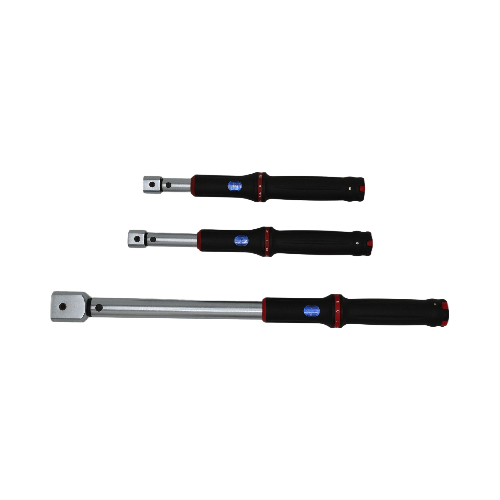 XS Series Interchangeable Head Window Style Cli...
TENGTUO ELECTRONIC TECHNOLOGY Item NO...
-
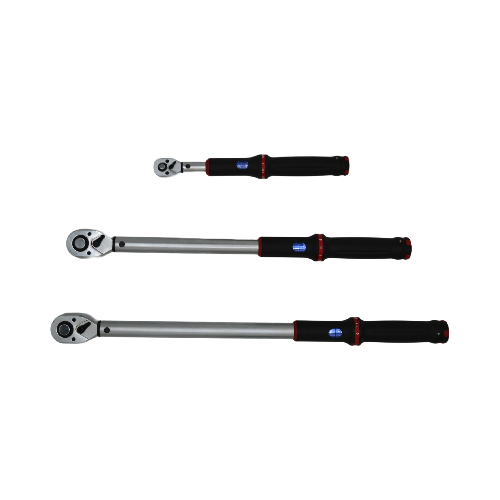 XS Series Window Style Click Torque Wrench
TENGTUO ELECTRONIC TECHNOLOGY Item NO...
-
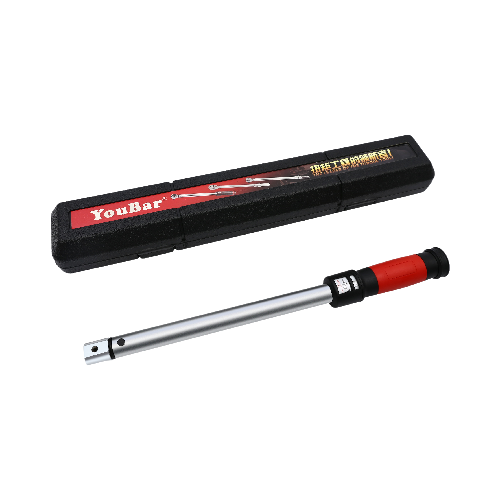 SL Series Interchangeable Head Window Style Cli...
TENGTUO ELECTRONIC TECHNOLOGY item NO...